Besign X Accenture
Future of Homes
Scroll ↓

This project explores how homes and neighbourhoods might evolve in response to major social, environmental, and technological shifts such as climate change, urbanisation, changing family structures and increasing digital connectivity. Through trend analysis and scenario building, our team investigated how future domestic environments could become more adaptable, resource-efficient and community-oriented.
The outcome is a speculative ecosystem of products, infrastructures, and interfaces designed to support three key principles: sharing resources within communities, intuitive control of the home environment, and sustainable provision of energy and water. The project proposes a networked neighbourhood where technology enhances everyday life while remaining seamless and human-centred.
ROLE: Team Leader
As part of the brief provided by Accenture Labs at Besign School, a team of students from different levels came up with the problematic “How might we design new interactions adapted to our future needs in order to create new experiences of living in our home of tomorrow?”.
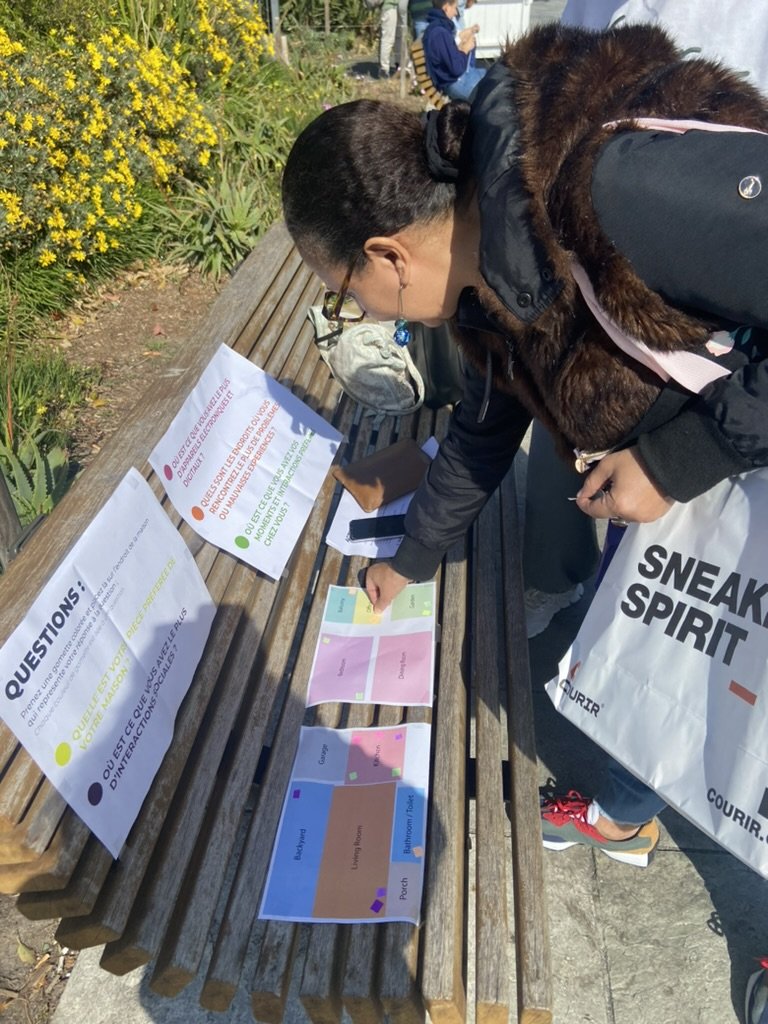
During the research process we understood the users and their needs by conducting activities and interviews. Moving ahead the team came up with nine concepts based on artificial intelligence, health and well being, socialising and energy and water consumption habits.


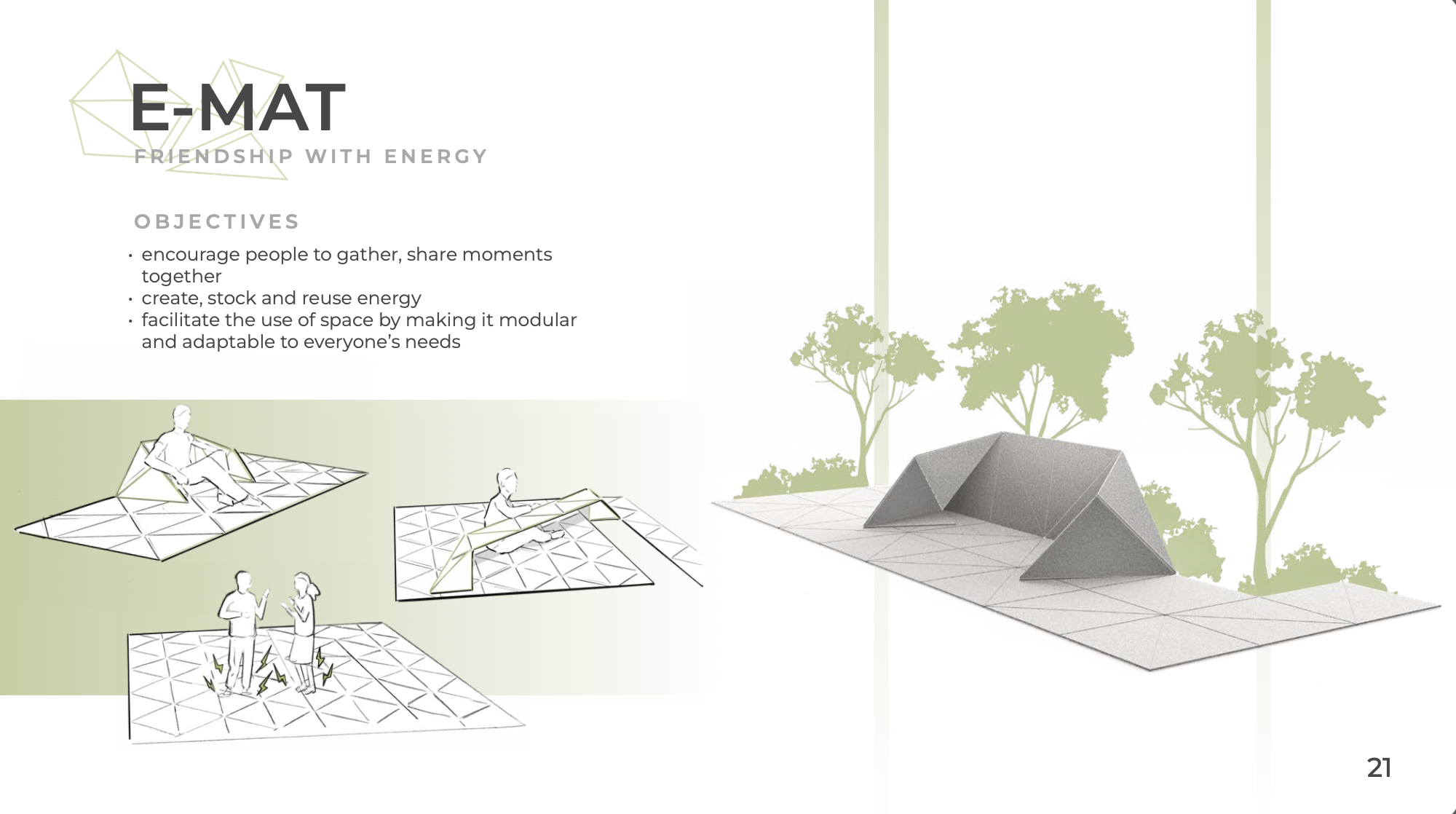
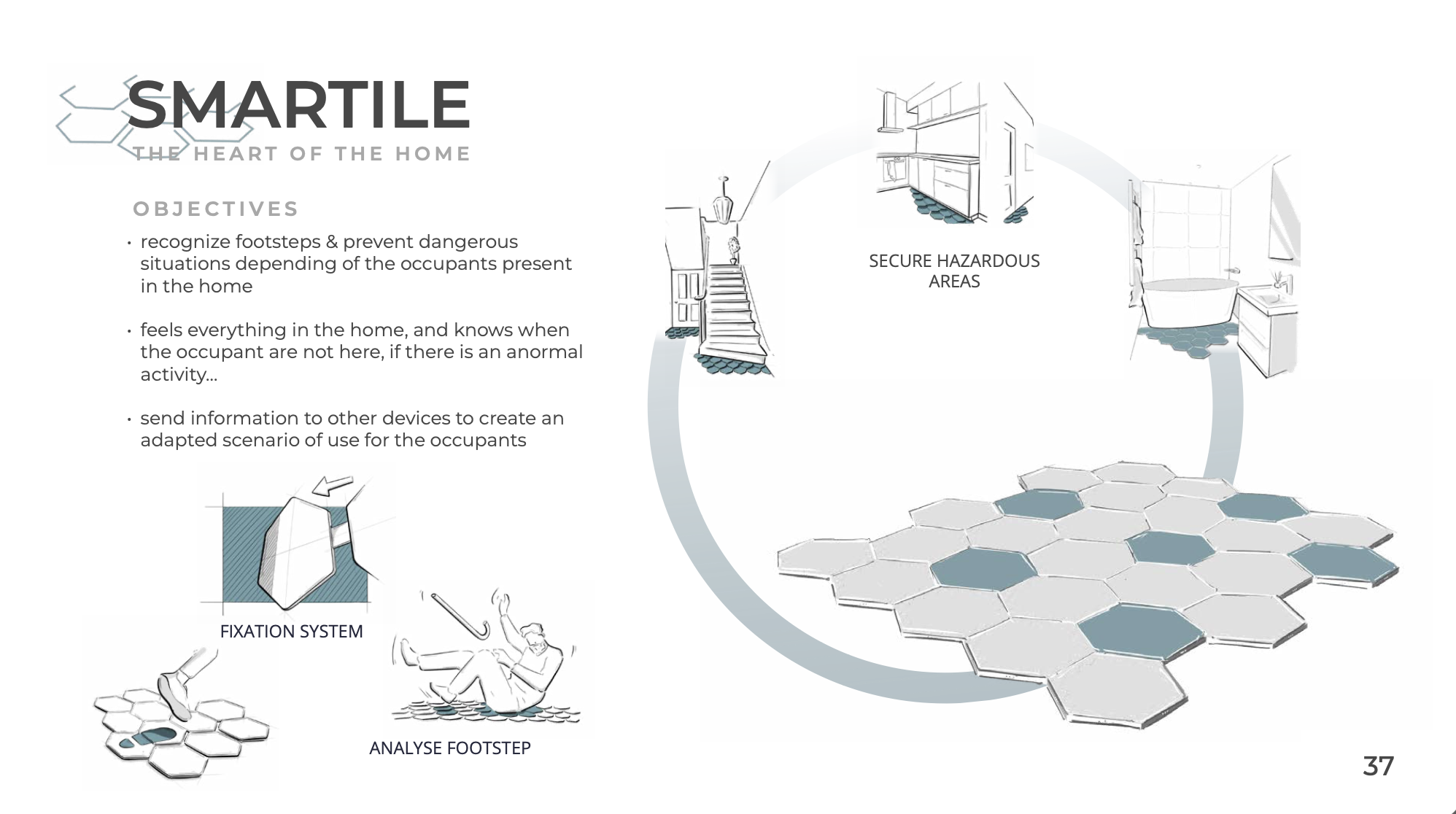
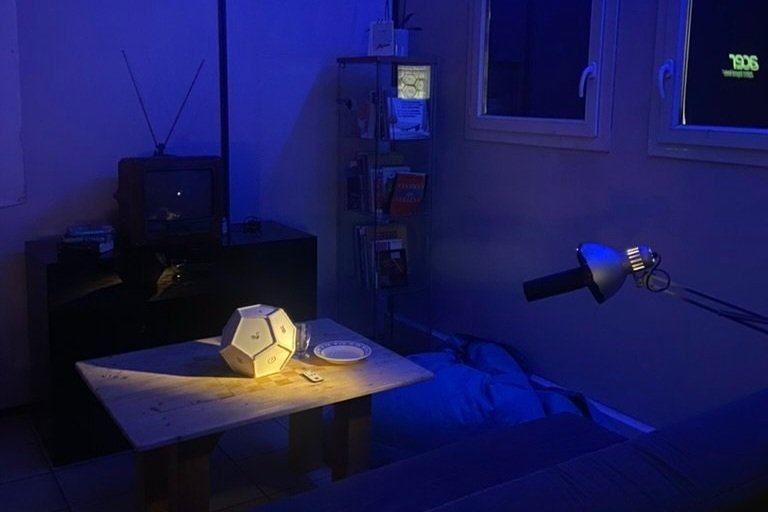
Several interconnected concepts were developed within this ecosystem. A community hub garden encourages residents to share skills, food production, and social spaces. Energy-generating smart textiles and modular surfaces harvest kinetic energy from movement, turning shared spaces into renewable energy sources. Water-harvesting architectural systems capture atmospheric moisture to support rooftop food production. Within the home, an integrated system of sensors, responsive tiles, and tactile interfaces monitors environmental conditions, improves safety, and allows occupants to manage energy and resources intuitively.
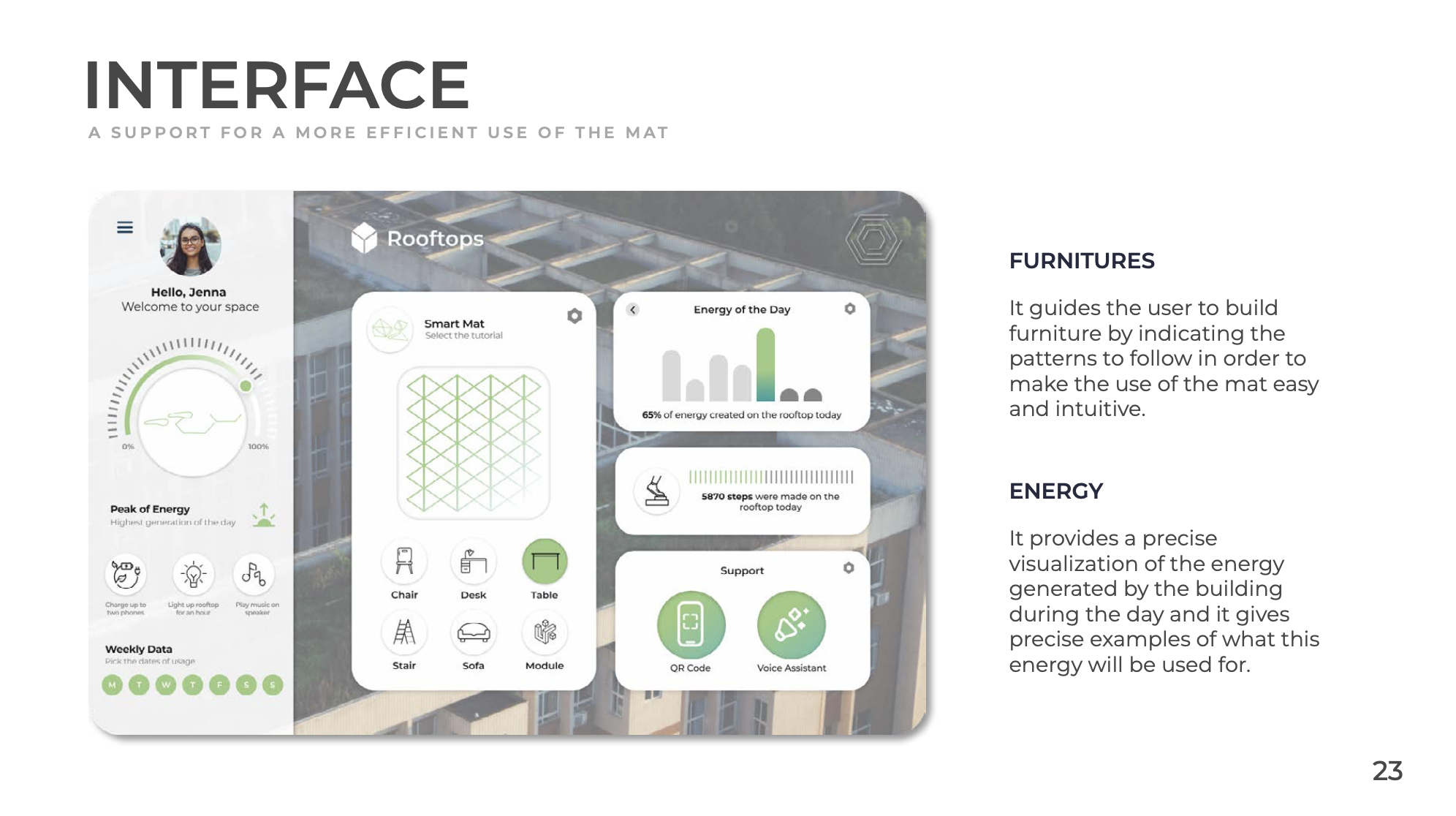
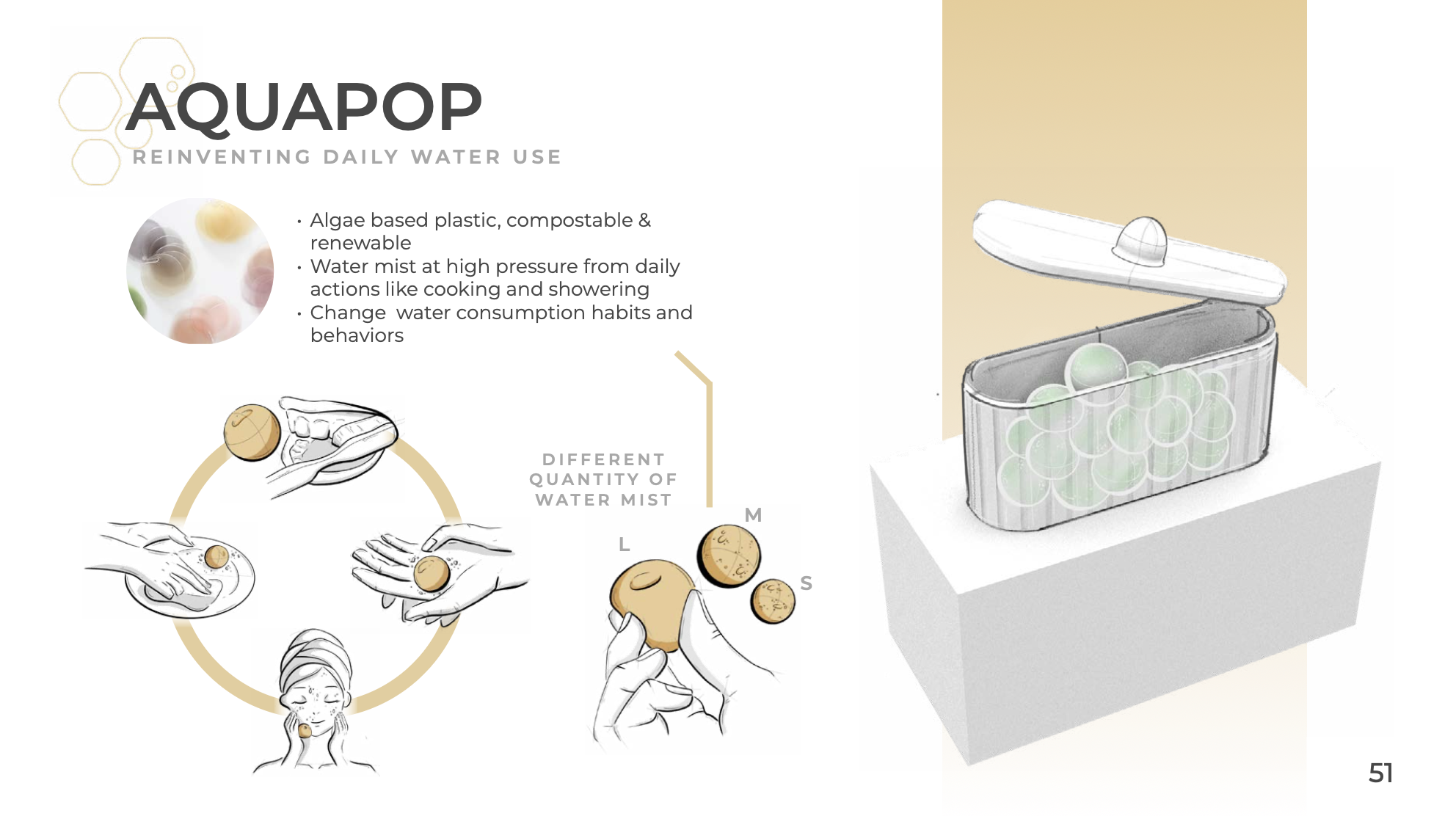
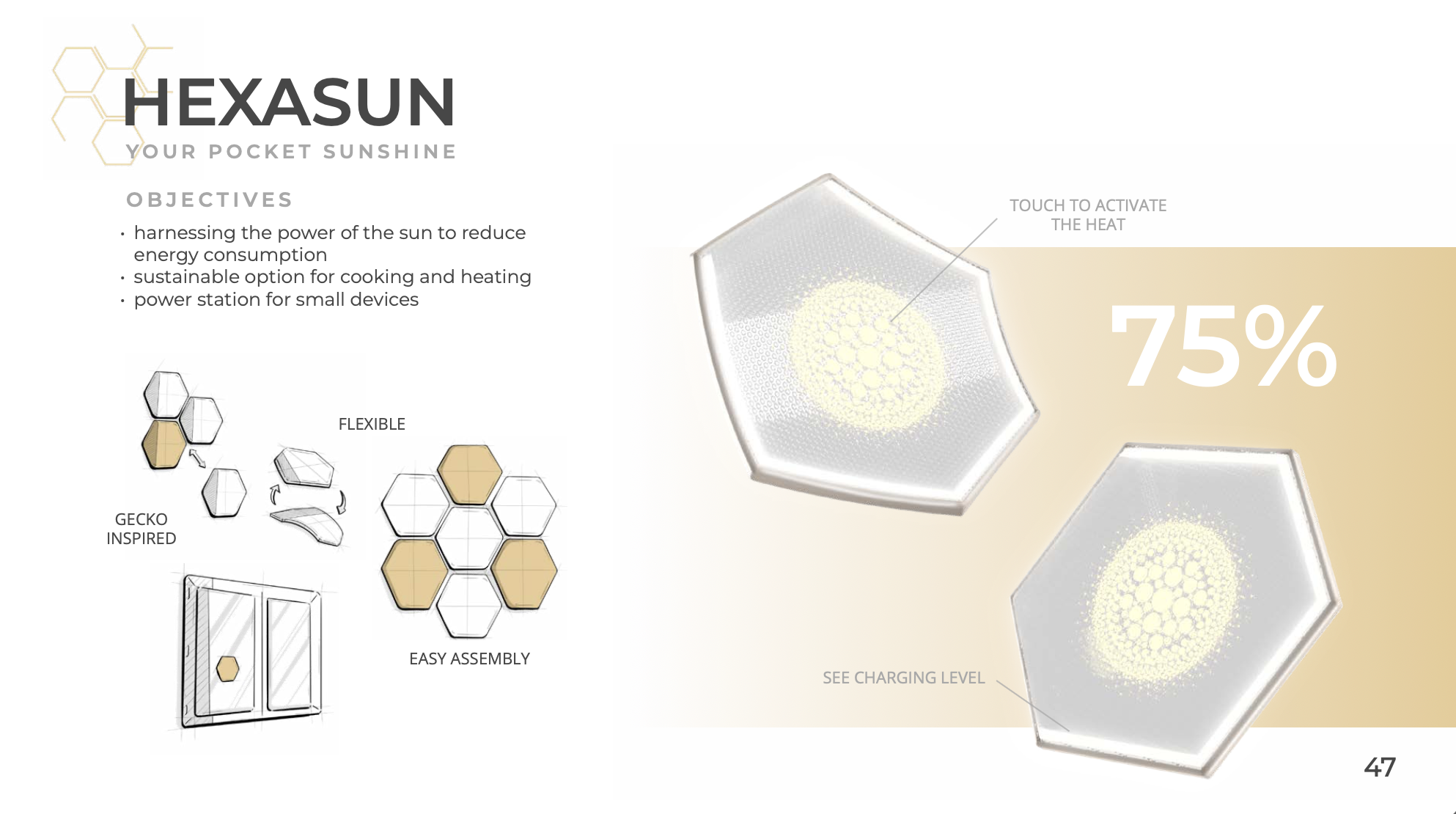
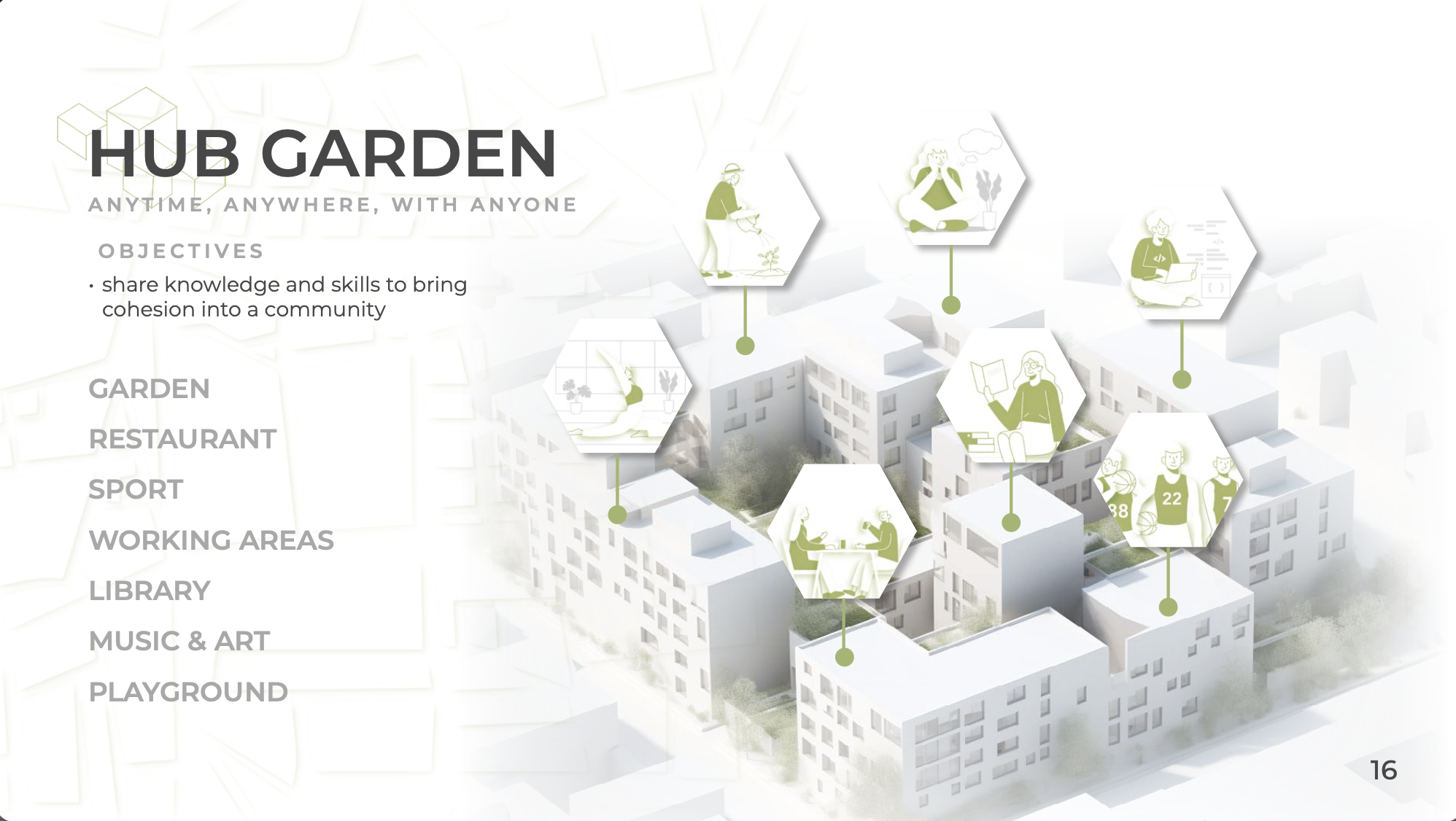
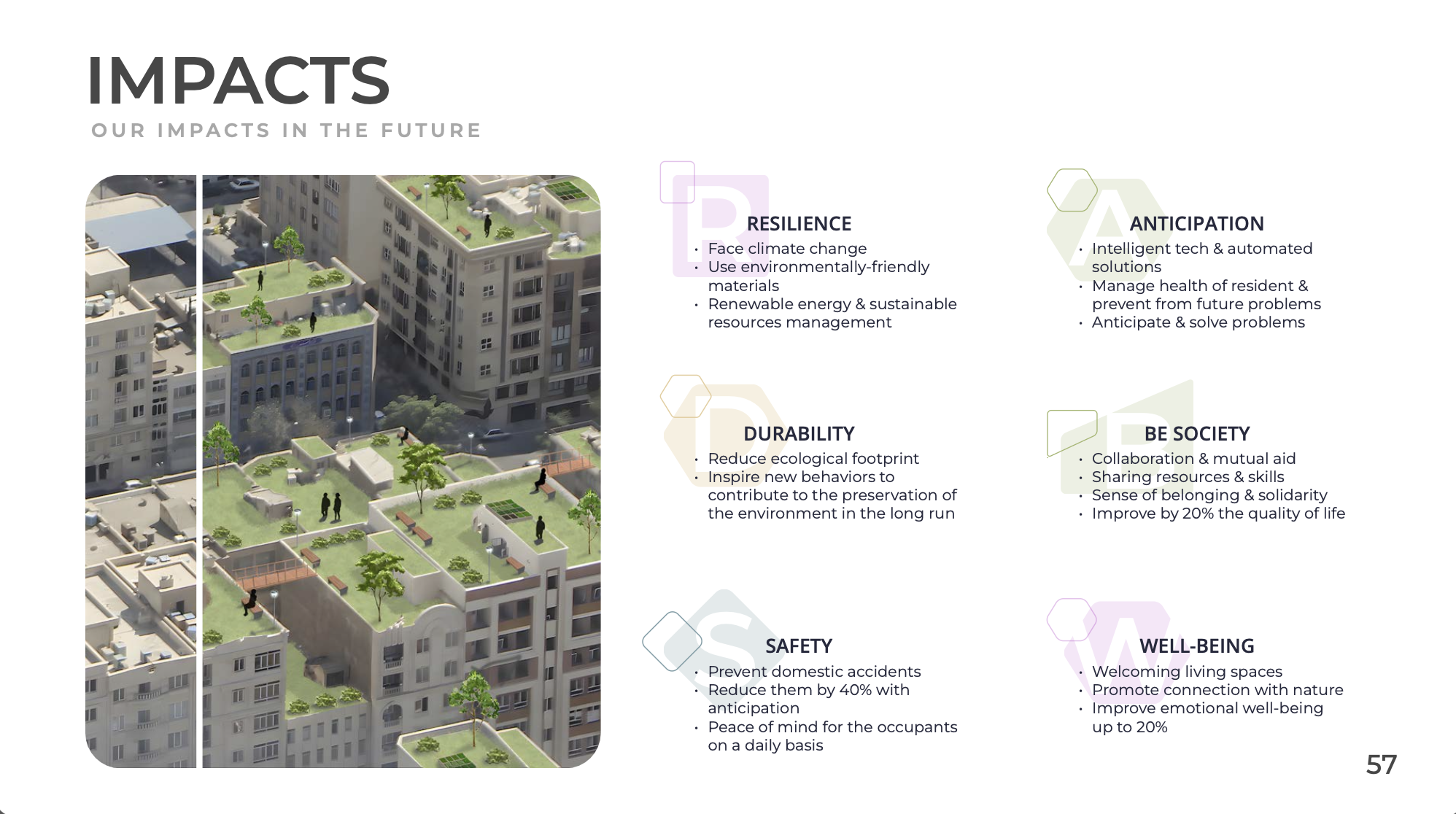
This project imagines a future where homes operate as intelligent ecosystems, supporting sustainability, safety, and community. By combining responsive technologies, renewable resource systems, and shared neighbourhood infrastructures, the proposal explores how everyday living can become more resilient and collaborative.
Rather than focusing only on individual products, the project proposes an integrated system that encourages responsible resource use, strengthens social connections, and improves well-being. The goal is to rethink the home not just as a private space, but as part of a larger living network that adapts to people, environment, and future challenges.