
Academic Fellow: Design Education & Curriculum Development
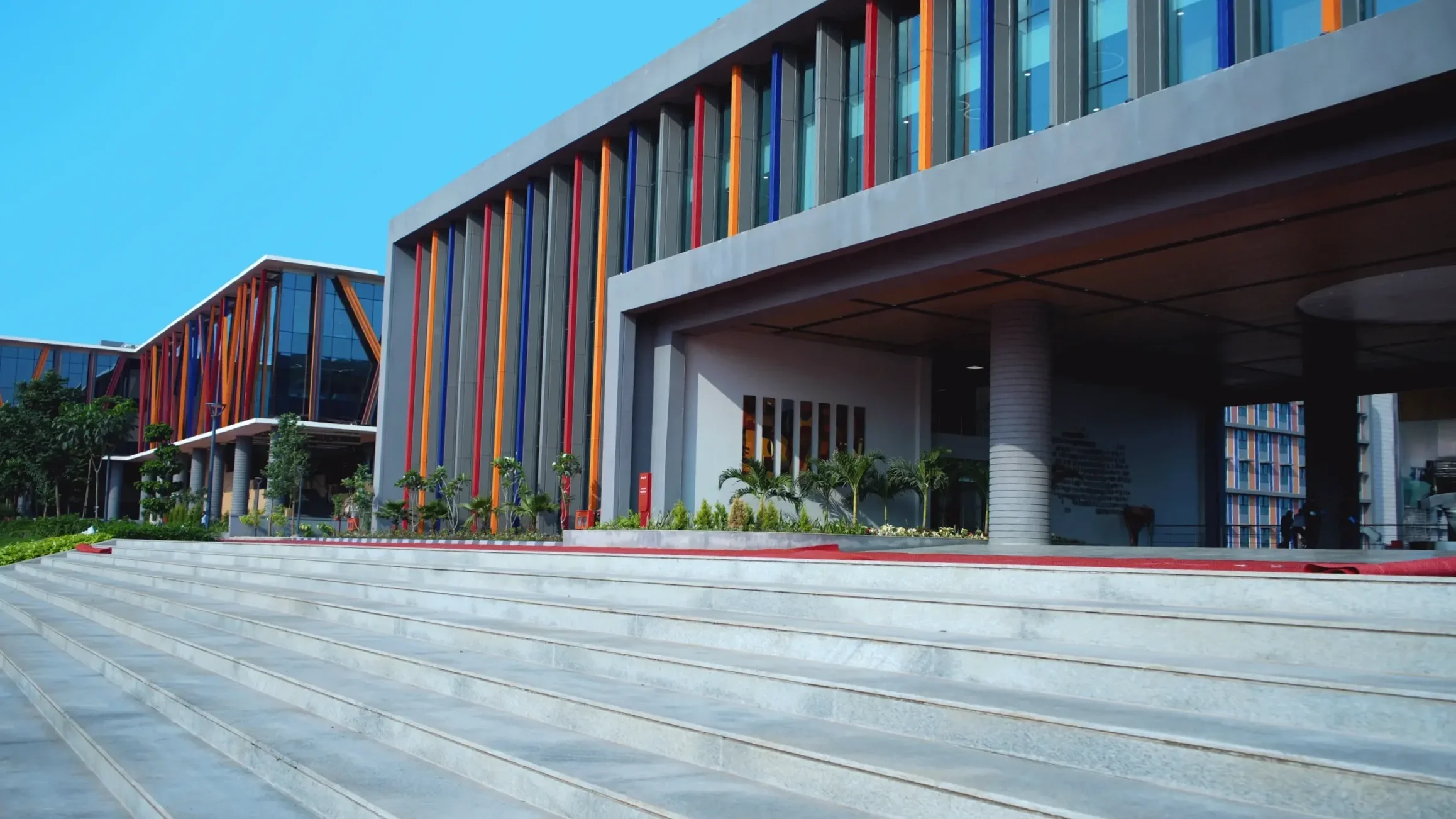
BITS Design School
Scroll ↓
Image 01: Academic Team, BITS Design School
As an Academic Fellow at BITS Design School, I supported faculty across multiple modules within the school’s Transdisciplinary Bachelor of Design programme, which integrates visual design, design research, experience design, and physical and digital product design. The curriculum emphasises research-led design and hands-on experimentation, encouraging students to investigate contexts before ideating solutions.
My role involved assisting with module research, curriculum planning, and classroom facilitation, while also contributing to workshops, academic events, and outreach initiatives. I worked closely with faculty to translate pedagogical frameworks into studio activities, helping students develop skills in visual thinking, storytelling, speculative inquiry, and socially engaged design practice. This included mentoring students through studio exercises, supporting critiques and documentation, and coordinating collaborative learning experiences with visiting practitioners and institutions.
Images 02: Visualisation and Representation
Visualisation & Representation I & II: This module that I supported along with Jui Karhadkar, Ranjan De, Sumit Meena and Mandar Kale, introduced students to visual thinking as a core design skill through drawing, storytelling, narrative building, typographic exploration and motion graphics.
In Semester 1, students explored visual narratives and portrait studies, using observational drawing and illustration to translate stories, emotions, and personalities into visual form. I assisted with module research, studio exercises, and critique sessions.
Visualisation and Representation Module
Images 03 & 04: Visualisation and Representation
In Semester 2, the focus expanded to expressive typography, calligraphy, narrative storyboarding, and introductory motion graphics. Students experimented with letterforms as visual elements and explored how sequences of images and movement can communicate ideas over time. I supported studio facilitation and guided students through typographic and narrative explorations. Together, the modules helped students develop foundational visual literacy and visual communication skills through hands-on studio practice.
Images 05: Visualisation and Representation
Transformation Design module was a transdisciplinary module where I assisted Vijay Palaparty in module research, studio facilitation, and critique sessions, supporting students as they applied systems thinking and collaborative design approaches to real-world contexts. The students were introduced to design as a tool for addressing complex social and systemic challenges. It was a combination of studio projects with critical discussions and guest engagements, including the Design Colloquium, an exhibit of their work alongside a panel bringing together practitioners and educators to reflect on the evolving role of design in driving social change and community impact.
Transformation Design Module
Images 06: Transformation Design Module
Within the studio, students worked on projects focused on youth financial literacy adding to their research at YUVA (Youth for Unity and Voluntary Action), exploring how design can make financial knowledge more accessible and engaging for young people. Through research, ideation, and prototyping, they developed concepts addressing behavioural habits around saving, financial awareness, and responsible decision-making.
Images 07: Transformation Design Module
At BITS Design School, I also supported the Speculative Design module led by Adam Kallish, where students explored how design can be used to imagine and question possible futures. Speculative design encourages designers to create artefacts, scenarios, and narratives that provoke discussion about the social, political, and ethical implications of emerging systems and technologies. Rather than solving immediate problems, the approach asks “what if?” questions to explore alternative futures and challenge existing assumptions.
Speculative Design Module
Within the module, students investigated themes around justice, governance, and societal systems, developing speculative concepts that critiqued current structures and imagined new possibilities. Through research, storytelling, and prototyping, they created speculative artefacts and scenarios that encouraged reflection on how design can influence future social realities.
Images 08, 09 & 10: Speculative Design Module
My role involved assisting with module research, facilitating studio discussions, and supporting critique sessions as students developed their speculative narratives and design outcomes. The module emphasised critical thinking, imagination, and narrative-driven design, encouraging students to view design not only as problem-solving but also as a medium for questioning and shaping future worlds.
Images 11 & 12: Speculative Design Module